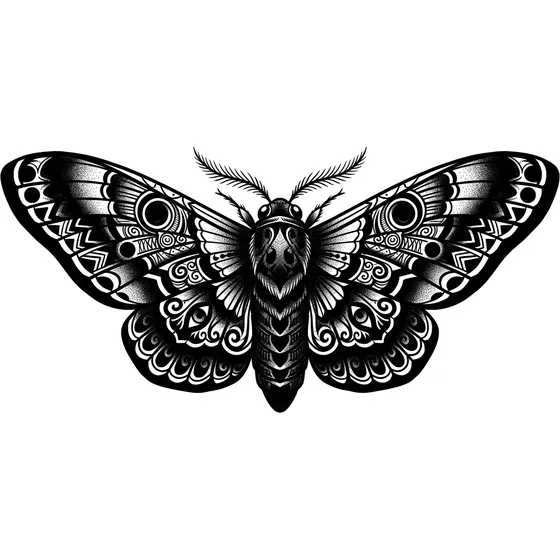
“A dense moth with heavily patterned wings, deep black shading throughout”
Generate this
Collection
A cover-up is designed around the tattoo you already have, not pasted on top of it. The new piece has to be darker than the darkest ink underneath, and large enough to contain the old shape, including any blur past the original lines. A preview on a white background cannot prove that. It can only help you find a dense design worth taking to a consult.
“A dense moth with heavily patterned wings, deep black shading throughout”
Generate this
“A large peony with layered petals and dark leaf work behind”
Generate this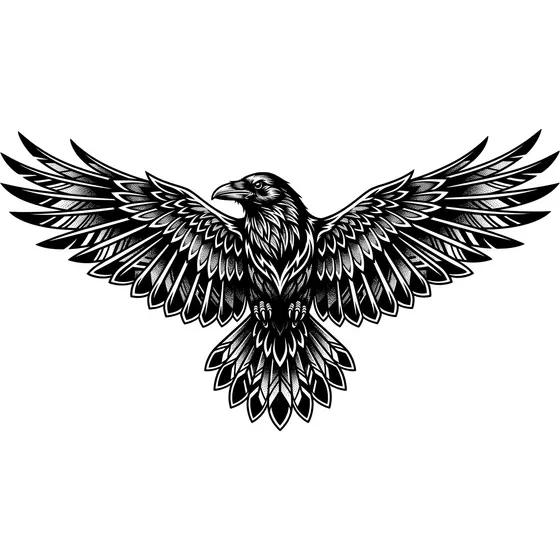
“A raven with outstretched wings in solid black”
Generate this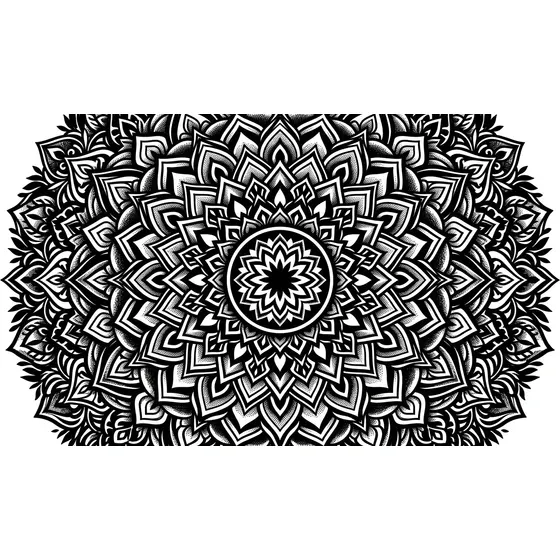
“A dense mandala with heavy blackwork and negative-space detail”
Generate this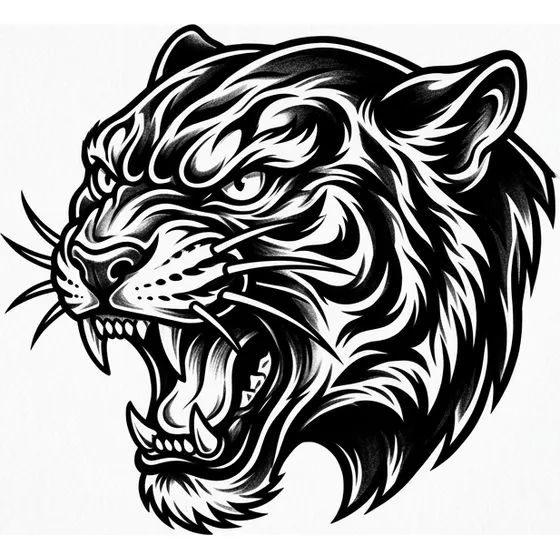
“A panther head with deep black shading and bold outlines”
Generate this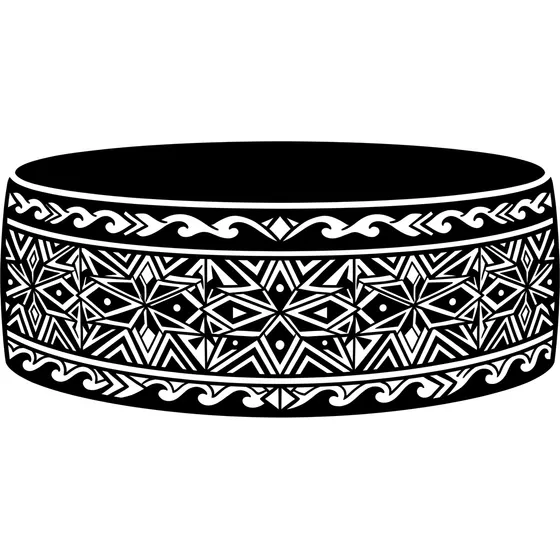
“A thick band of blackwork with negative-space patterning”
Generate this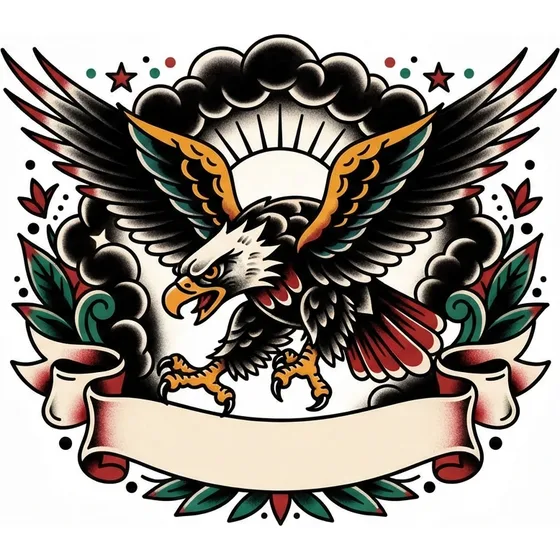
“A traditional eagle with heavy black wings and a dark background, blank banner, large enough to cover a small old tattoo”
Generate this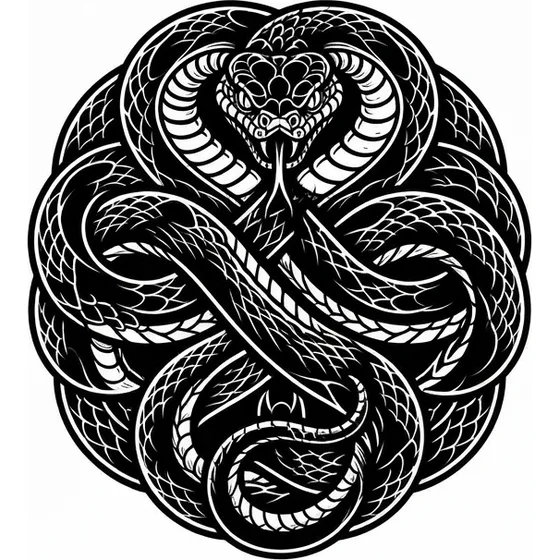
“A blackwork snake coiled into a dense oval, solid black with a few skin breaks”
Generate this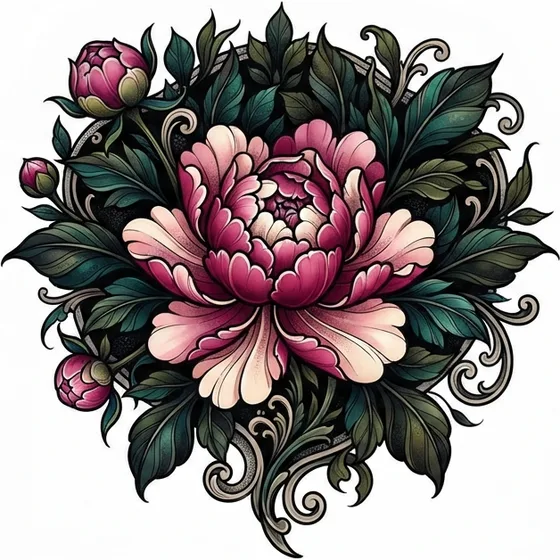
“A neo-traditional peony with a dark leaf mass behind the petals”
Generate this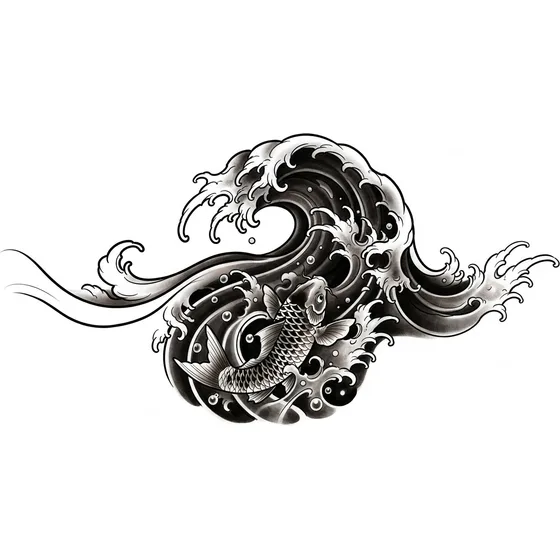
“A Japanese wave with a dark body of water and a koi, heavy black, no lettering”
Generate this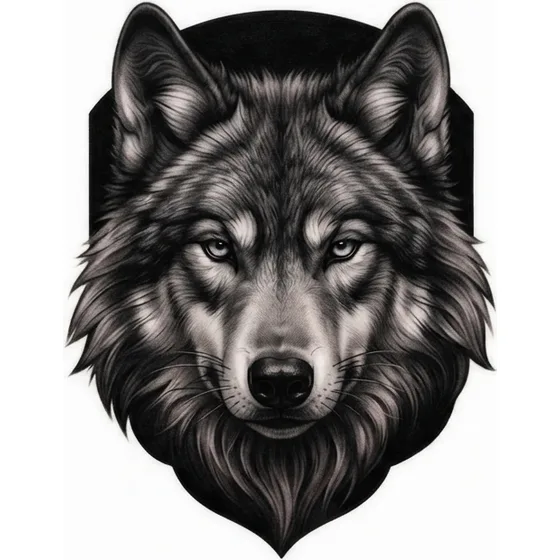
“A black and grey wolf head with a solid dark background, no thin lines”
Generate this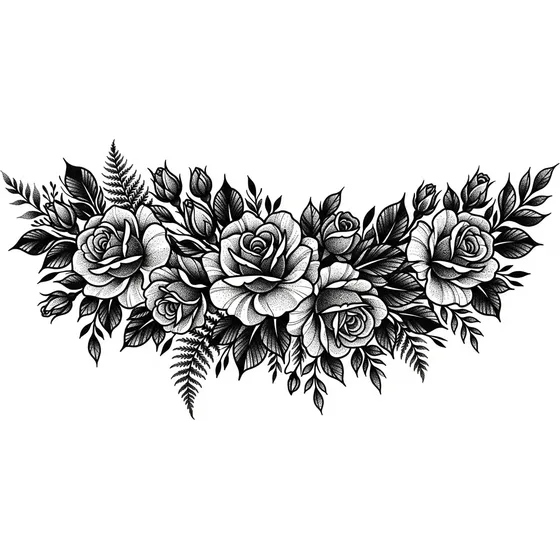
“A wide blackwork floral panel, roses and leaves packed dark, little empty skin”
Generate this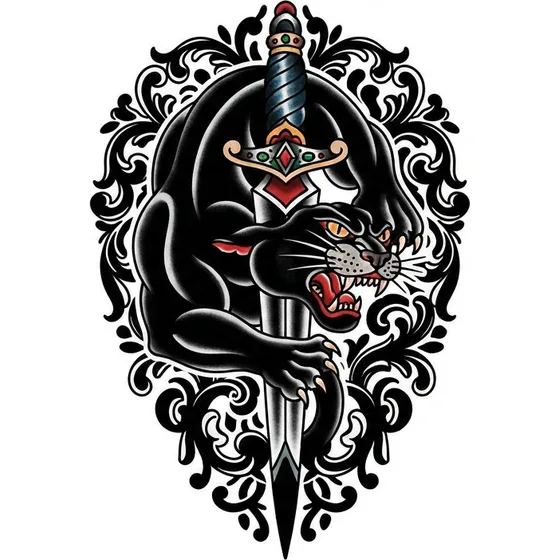
“A traditional panther and dagger with heavy black fill around them”
Generate this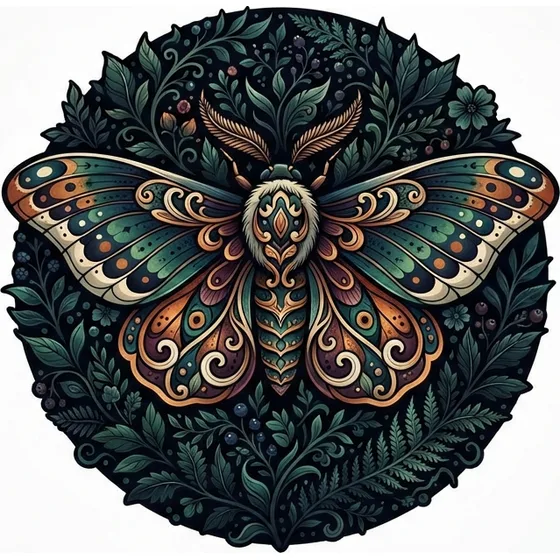
“A neo-traditional moth on a fully dark field of leaves”
Generate this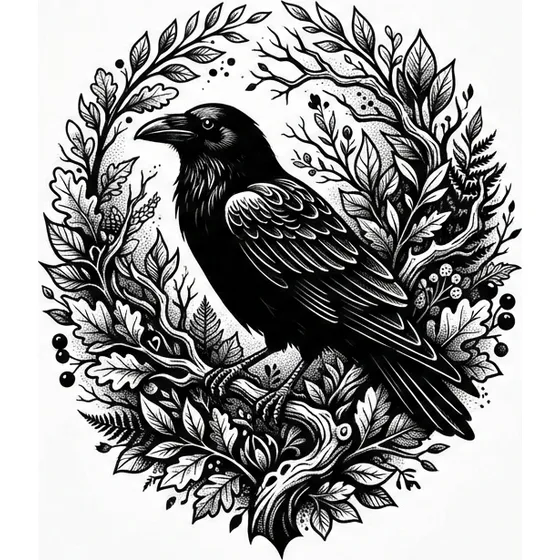
“A solid blackwork raven sitting in dense foliage, high contrast”
Generate this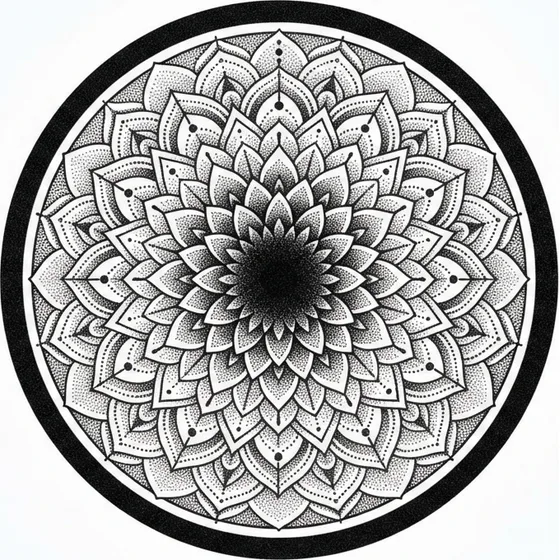
“A dark dotwork mandala with heavy black centre and a solid outer ring”
Generate this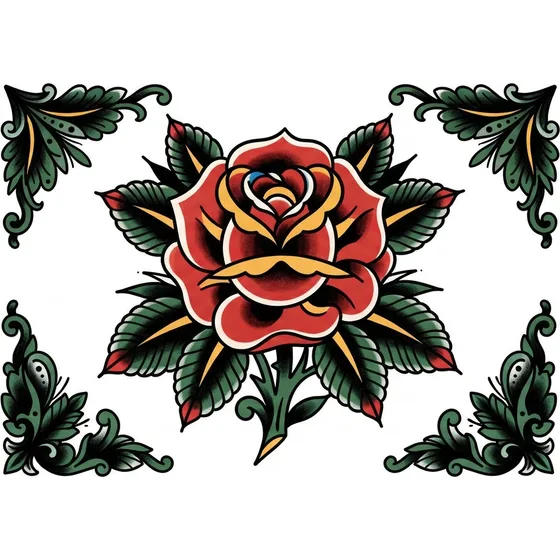
“A large traditional rose with dark leaves filling the corners of the design”
Generate thisCover-ups fail when the new picture is chosen first and the old tattoo is treated as a stain. Dark ink is still in the skin. Pale colour, yellow, and white do not conceal it. Fine line does not. A soft portrait does not hide a solid black shape under the cheek.
List the old tattoo. How dark is the darkest part. How large, including any blur past the lines. Is it raised or scarred. Is it faded, or still solid. A small faint mark is a different project from a large saturated one. Those facts decide between a floral cover, a blackwork panel, laser first, or removal instead of a cover.
The new silhouette has to swallow the old one with margin. If the old piece is a circle on the shoulder, the darkest part of a larger shape has to land on that circle. You do not get to put the pretty part somewhere else and hope.
Dense black, dark green, deep red, and heavy navy are the colours that stand a chance. Useful subjects are supposed to be busy: moths with patterned wings, peonies and roses with a mass of leaves, panthers, ravens, eagles, snakes coiled tight, mandalas with a heavy centre, waves with a dark body. Blackwork and traditional or neo-traditional with real fill give you those fields without becoming a rectangle of noise — if the artist is designing, not scribbling.
Every patch of bare skin is a place the old tattoo can show through. Skin breaks belong only where the old ink is already light. That mapping is why a moth on a white background, however dense, is only a candidate.
A cover is almost always larger than the tattoo it hides. If it must stay inside the old footprint, ask about laser lightening before you force a same-size design.
Laser fading is a question for the artist, not a step this page can schedule. Lightening the old ink can make more designs possible, and it adds healing time before a cover starts. Sometimes the honest plan is more laser and no cover. Sometimes a cover is straightforward because the piece is already faint. A yellow bathroom photo cannot decide which.
Colour covers work only when the new colour is darker than what is under it. They are a poor plan over solid black. Black and grey can sit over lighter old colour if the artist has actually done covers.
A phone filter or a generated image on a body photo does not know how saturated your ink is. Forearm and shoulder covers are common because there is room to go larger. A finger has almost none, which is why those often become laser, then a much simpler mark.
Bring daylight photos of the healed tattoo, straight on and from the side, plus measurements, age, and any laser records. The artist still has to see the skin. A photo hides raised ink and scars.
Take dense ideas, not delicate flowers. Say which part must disappear — a name, a face, a misspelling — so the darkest new ink can sit there. Ask what may still show through. Healing a cover is often heavier than the same design on bare skin.
Use the prompts for dark, filled designs in blackwork, traditional, or neo-traditional. In the generator, add the real constraint in words: "heavy black, larger than a palm, little empty skin." Discard anything airy. Take two or three dense options to the consult and let the artist redraw them around the tattoo on your body. The redraw is the cover. The preview is only a direction.
These are starting points. Change the subject, the placement or the size — the generator will follow whatever you write.
Start from scratch