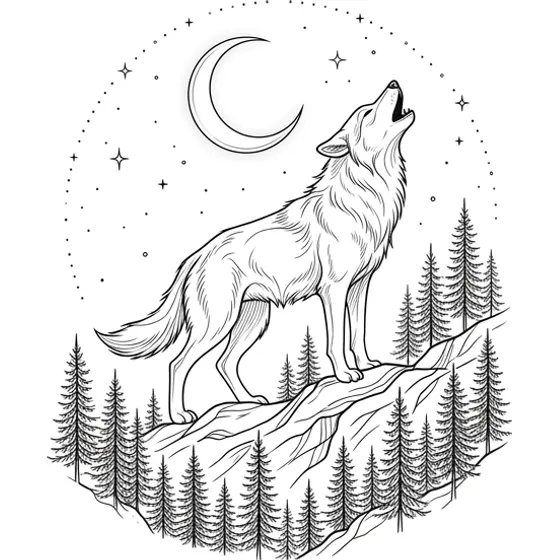
“A wolf howling at a crescent moon with pine trees below”
Generate this
Ideas
Most people get stuck because they are choosing a picture before they have chosen a constraint. Placement, size, and style delete most options on their own. What is left is a short list you can actually compare. The prompts here are deliberately mixed — animals, icons, florals, geometry — so you can see which kind of idea you keep coming back to.
“A wolf howling at a crescent moon with pine trees below”
Generate this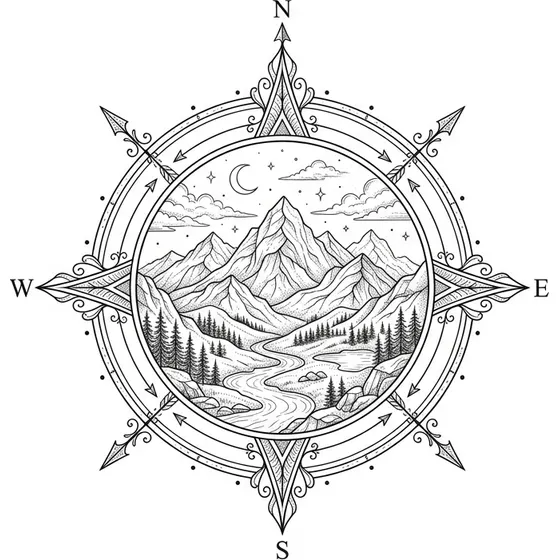
“A compass rose with a mountain landscape held inside it”
Generate this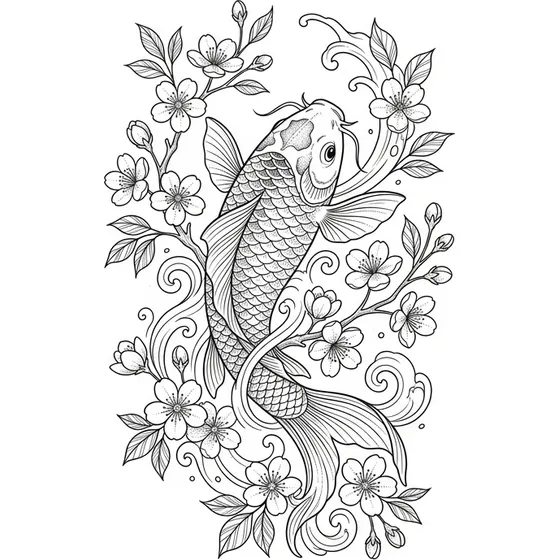
“Koi fish swimming through cherry blossoms”
Generate this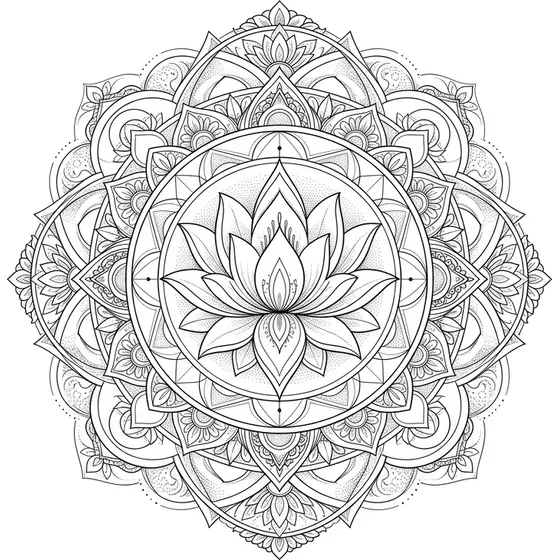
“A sacred geometry mandala with a lotus centre”
Generate this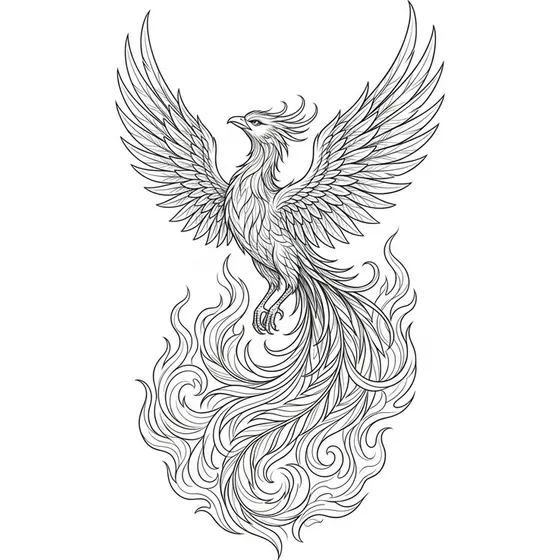
“A phoenix rising from flames”
Generate this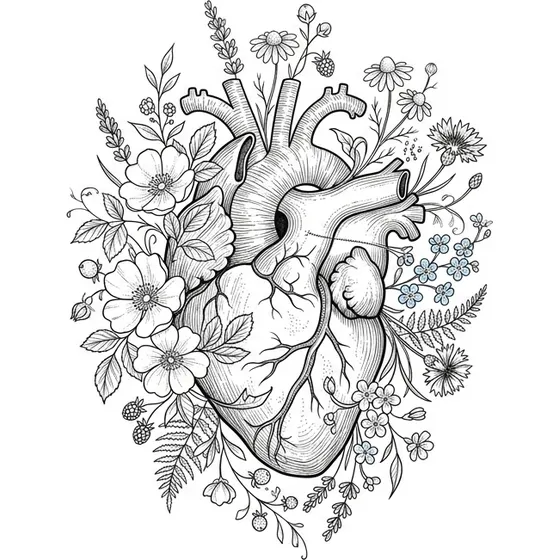
“An anatomical heart wrapped in wildflowers”
Generate this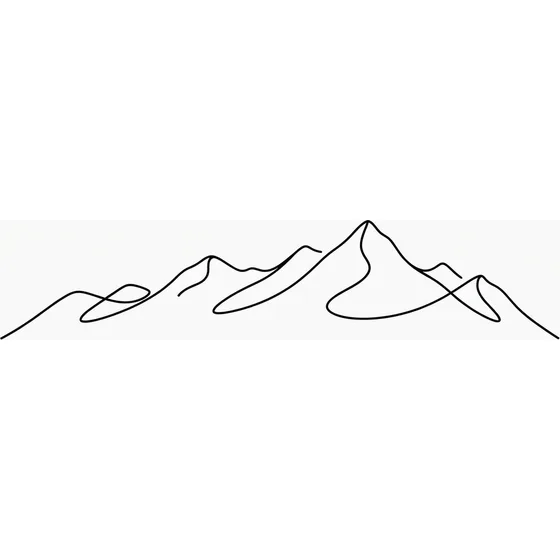
“A single continuous-line mountain range for an outer forearm, minimalist”
Generate this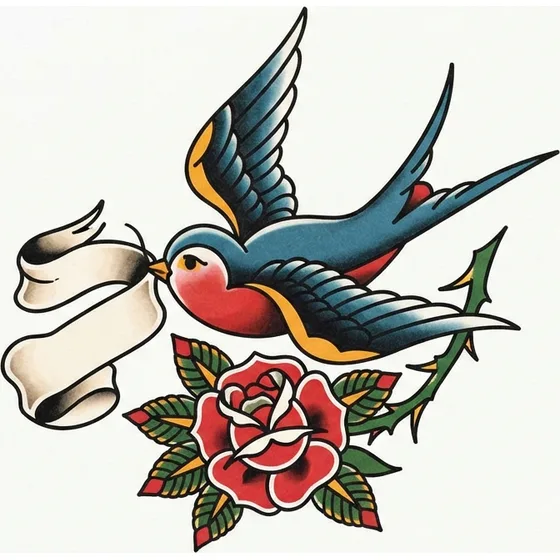
“A traditional swallow with a rose and a blank banner, bold outlines”
Generate this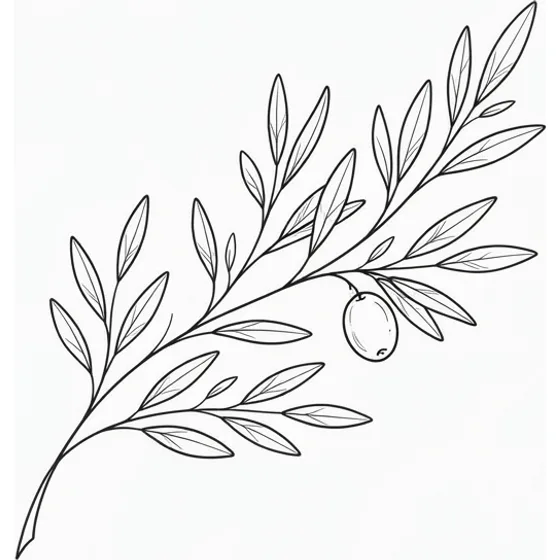
“A fine-line sprig of olive leaves with one olive”
Generate this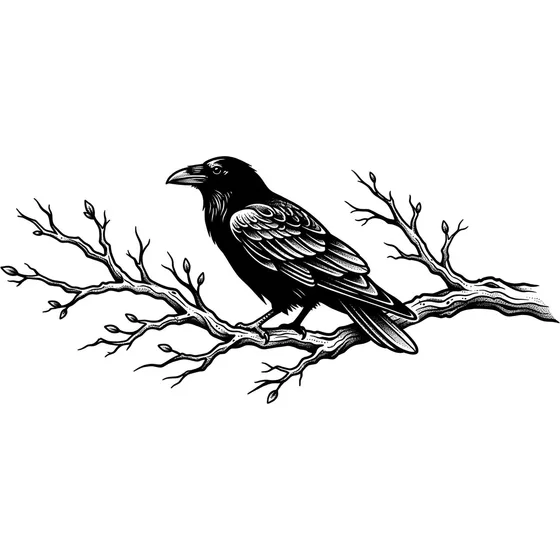
“A blackwork raven in silhouette on a bare branch”
Generate this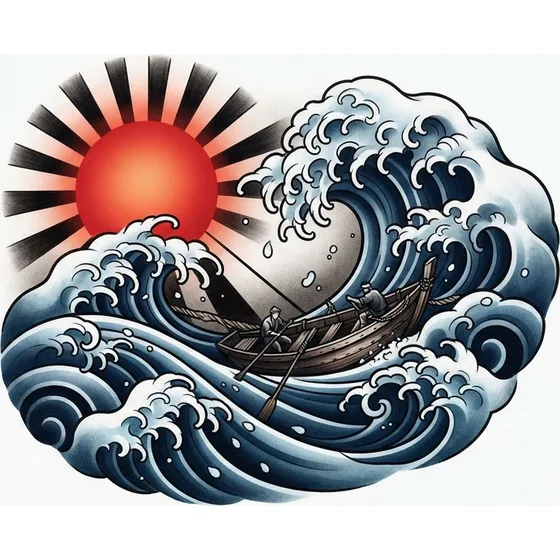
“A Japanese wave with a small boat and a large sun, no lettering”
Generate this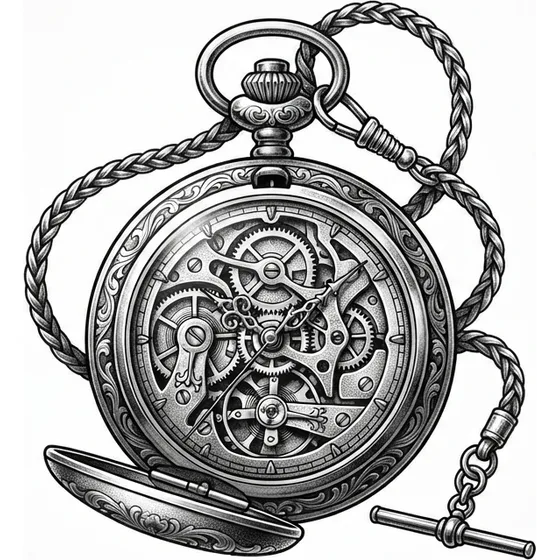
“A black and grey pocket watch with an open case, no numerals or letters”
Generate this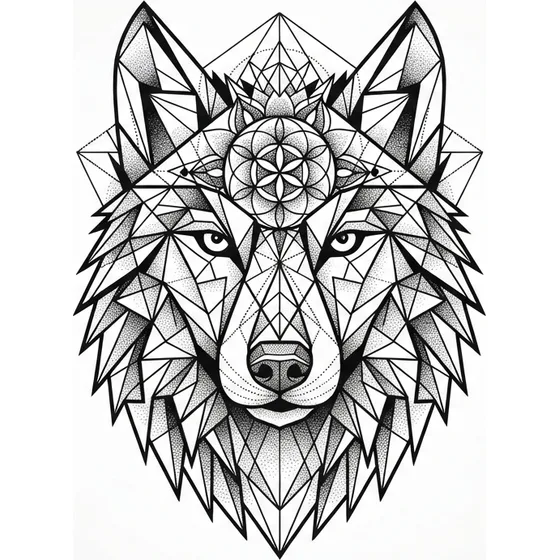
“A geometric wolf head built from triangles and clean lines”
Generate this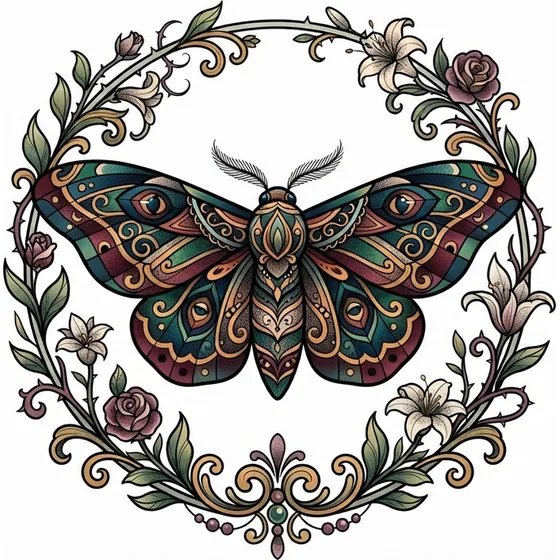
“A neo-traditional moth with patterned wings and a thin floral frame”
Generate this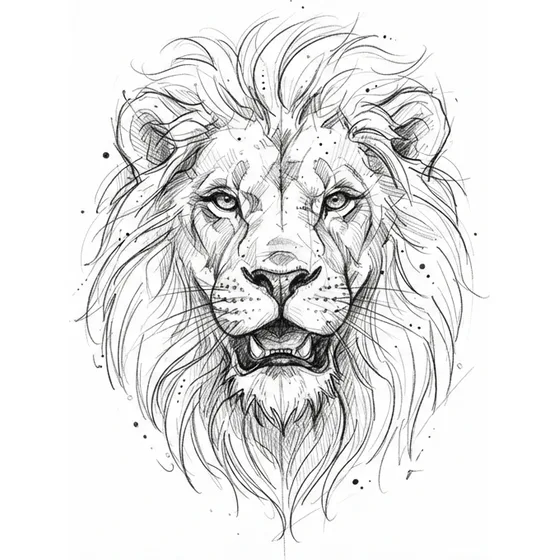
“A sketch-style lion head with loose unfinished edges”
Generate thisA tattoo idea is a subject that can survive a place on a body. An inner forearm is a long panel you see every day. A rib is narrow and a hard sit. A wrist is a few centimetres of sun and friction. If you know the spot, you already know which references to throw away.
If you do not know the spot, decide the job. A first tattoo you can watch heal wants a simpler drawing on the outer arm, shoulder, or calf — see first tattoo ideas. A cover for old ink is not an ideas problem until an artist has seen the old tattoo. Start at cover-up tattoos, not with a moth on a white background.
Write the constraint in the prompt: "outer forearm," "about palm sized," "readable at arm's length." The image will still be flat. The sentence stops it inventing a square scene you cannot wear.
Pick a subject you will still recognise if half the detail disappears: an animal, a flower, a tool, a short word, a symbol you can sketch badly from memory. Then stay in one style for a while. A wolf in traditional, in black and grey, and in fine line are three tattoos. Generating all three is useful. Booking with a folder of all three is how consults stall.
Style has to be able to do the subject. Fine detail and a tiny size contradict each other. A realistic portrait is a specialist's work. Japanese composition wants flow and background, not a sticker. Traditional wants an icon. Minimalist wants most of the idea deleted.
Two references in one style beat thirty in six. Add a sentence about what you do not want: "no banner, no extra flowers." That is more useful than another adjective.
The same subject is a different design on a different limb. A mountain range on an outer forearm should run along the arm, with the horizon following the length, not sit as a landscape photo. On a calf it can be taller. On a wrist it has to become a single peak. Forearm tattoos and small tattoo ideas are the two ends of that decision.
Curved areas — shoulder, chest, knee — punish rectangular scenes. Circular or badge-like designs sit more naturally on a shoulder cap. Long stems and script need a straight run: forearm, collarbone, ribs, spine. Script has its own failure mode, which is size. Read lettering tattoos before you spend the idea on a quote.
Pain and healing are part of the idea, not a footnote. Ribs, hands, feet, and the sternum hurt more and are harder to heal. If this is your first tattoo, choosing a dramatic placement you cannot sit through is a worse mistake than choosing a boring subject.
A mood board with no scale. A screenshot that only works because it is large on your phone. "Intricate" added to a wrist idea. An animal, flowers, a moon, and a quote on a spot that fits one of those. Treating a cover-up as if the old ink will disappear. Booking before you have seen healed work in the style you want.
Memorials and names need a slower conversation than "I saw this." A tribute's reference is a person. Someone else's tattoo is their drawing — use it to learn what you liked, then make a different one.
You can regenerate an image all day. You cannot casually change the tattoo. Stop at one subject, one style, one placement, and a size the artist agrees can hold the detail.
Generate three or four of the ideas below in the style you are actually considering, not in whichever style looks busiest. Discard anything that only makes sense zoomed in. Then book with the survivor and let the artist redraw it. The gallery is there if you want to see finished outputs; the point of this page is the decision, not another dozen unrelated pictures.
These are starting points. Change the subject, the placement or the size — the generator will follow whatever you write.
Start from scratch