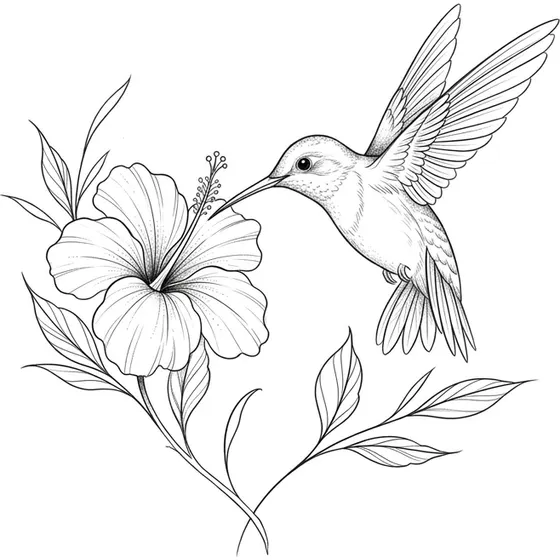
“A hummingbird drinking from a hibiscus flower, delicate linework”
Generate this
Style
Fine line tattoos are built on restraint: one mostly even line weight, open negative space, and almost no heavy fill. Use this page to clarify the style, pick a placement-aware idea, then generate a concept you can hand to a tattoo artist.
“A hummingbird drinking from a hibiscus flower, delicate linework”
Generate this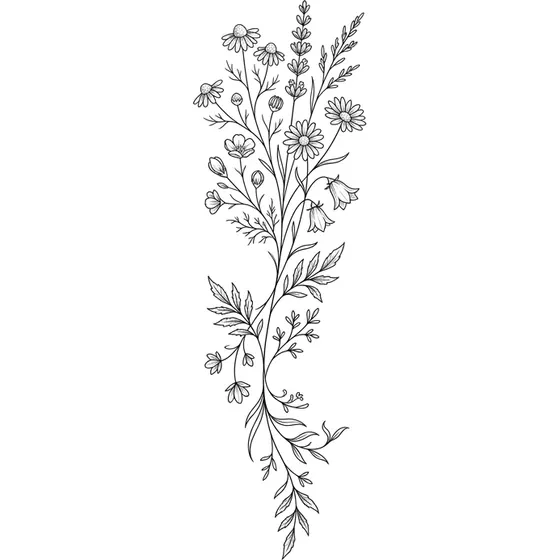
“A single stem of wildflowers with trailing leaves”
Generate this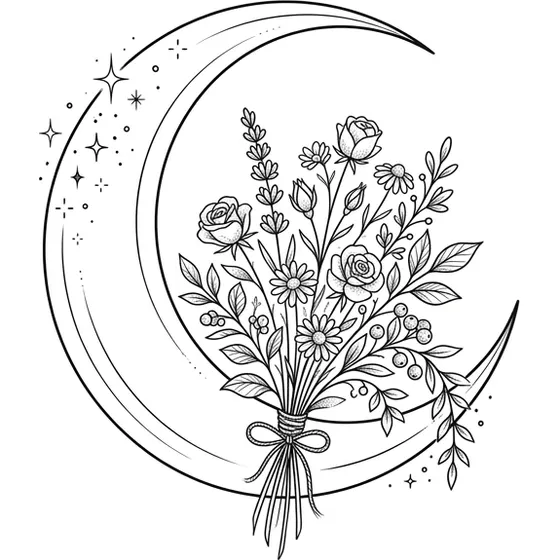
“A crescent moon with a small bouquet resting inside the curve”
Generate this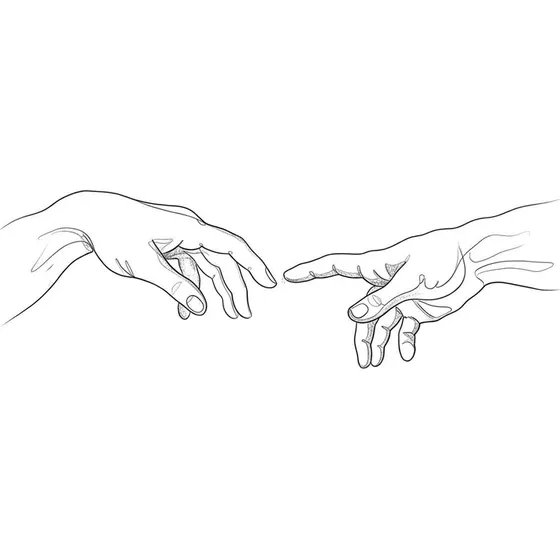
“Two hands almost touching, continuous single-line drawing”
Generate this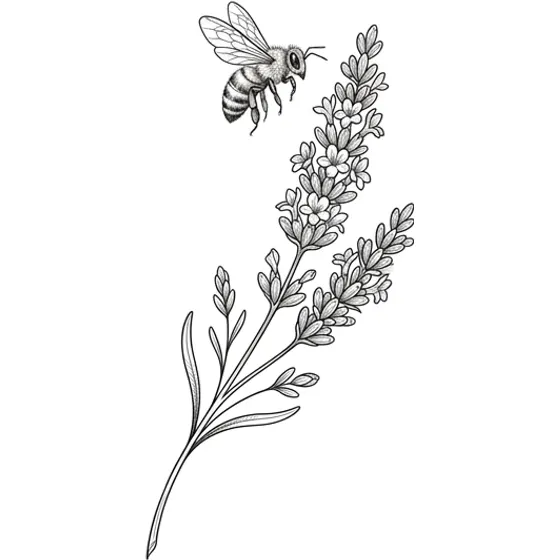
“A sprig of lavender with a tiny bee above it”
Generate this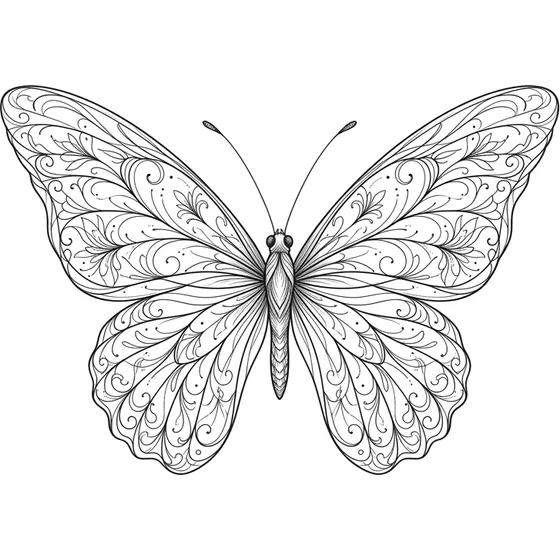
“A minimal butterfly with detailed but airy wing linework”
Generate thisFine line is not “any tattoo that looks delicate.” It is a visual system: line weight stays consistent in a narrow range (not thick/thin traditional contrast); shading is light or absent; detail comes from spacing—petals and feathers read because of gaps, not because every hair is drawn; and composition stays airy. Crowded previews often fail on skin at three centimetres.
It overlaps with minimalist tattoos and small tattoo ideas, but fine line can still be ornate—wrapping botanicals, continuous-line figures, lace-like ornaments—while keeping ink thin.
Strong fit: first tattoos where you want something personal but not loud; placements that show often (inner forearm, wrist, ankle, behind the ear, nape); subjects with clear silhouettes—stems, moons, moths, hands, simple animals, single words in script; and people planning a collection of related small pieces over time.
Weaker fit without artist guidance: tiny photoreal faces or micro-portraits (line weight will not hold the likeness); designs that rely on dense cross-hatching or heavy black packing; and ultra-fine hairline work meant to stay razor-thin forever—skin and time change line edges.
Fine line is a concept style for the generator and a conversation starter with your artist. Final needle choice, stencil size, and aftercare are studio decisions.
Inner / outer forearm — long vertical flow for stems and continuous lines. Add cues like “curving along the forearm” or “vertical composition.”
Wrist / ankle — small, readable symbols. Cue “tiny,” “2–3 cm,” or “simple outline.”
Collarbone / sternum — ornamental symmetry. Cue “centered,” “mirror leaves,” “open negative space.”
Ribcage / side — longer botanical or script runs. Cue “follows the rib curve,” “elongated.”
Behind ear / nape — quiet marks. Cue “minimal,” “single motif,” “no heavy shading.”
Finger / hand — high-visibility; keep bold enough and prefer slightly thicker fine line. See also hand tattoo ideas.
Mention placement in the prompt so the composition fits that shape—not a floating square flash.
Thin lines can soften slightly as ink settles. That does not mean fine line “disappears,” but it does mean: design for the healed look and leave breathing room between parallel lines; prefer clear silhouettes if the piece must stay readable at arm’s length; scale up before you simplify down—a 4 cm open stem ages more gracefully than a packed 1.5 cm bouquet; and ask your artist about line thickness for placement before locking a micro size.
Generate size variants of the same subject and compare which still reads zoomed out. These are design heuristics—not medical claims.
Open the AI tattoo generator and set style to Fine Line. Paste a prompt that names subject + composition + placement + restraint cues (“delicate linework,” “single continuous line,” “open negative space”). Preview free, iterate wording, then download a version you like. Optional: Pro body preview to check scale on your arm or shoulder before the appointment.
Bring the file to your artist as a reference—not a stencil mandate. See pricing if you need HD+ exports. Browse more examples in the gallery, or compare related looks on small tattoo ideas and tattoo ideas for women when the brief leans botanical.
These are starting points. Change the subject, the placement or the size — the generator will follow whatever you write.
Start from scratch